Hacking My Sleep: Day 1 of a Personal Experiment
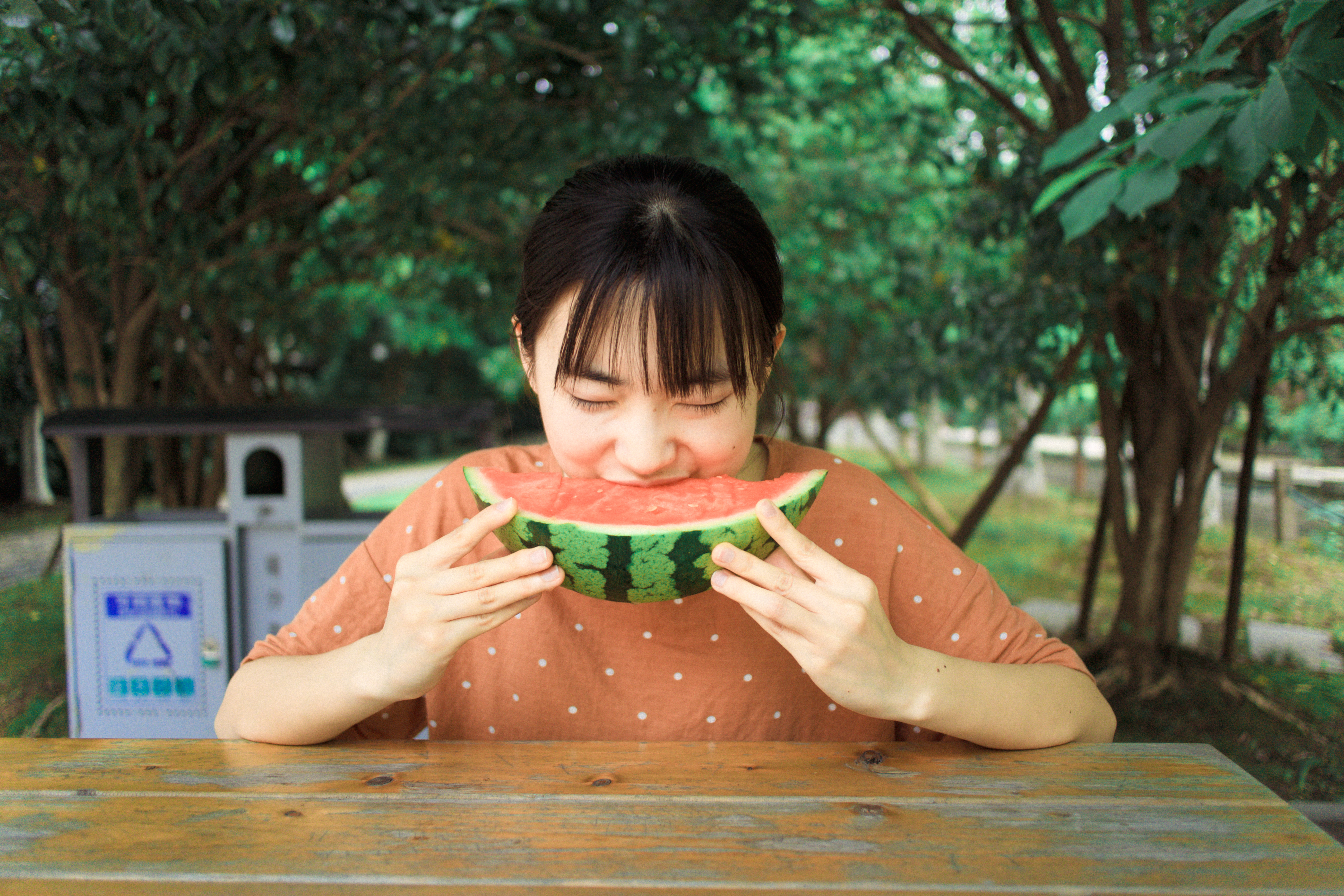

I've embarked on a sleep experiment. My goal is to improve my sleep quality and energy levels by adjusting my diet and lifestyle, aiming to maintain a more alert and vibrant state of being.
The Origin: Why I'm Experimenting with My Own Sleep
The old saying about "spring sleepiness and autumn fatigue" feels like it was written just for me. Even though I often sleep a full eight or nine hours — and sometimes, when I'm feeling down, for over ten hours straight — I still wake up tired.
I've come to believe that to achieve higher efficiency in work and life, the focus shouldn't be on time management, but on energy management. When your energy is high, you approach tasks with more vitality. Your execution, work, and learning efficiency increase dramatically, leading to feedback and a sense of accomplishment far greater than what's possible in a low-energy state.
A recent conversation with a friend lit the fire for this experiment. She's what you'd call a "superhuman" — she sleeps only four hours a day yet is perpetually full of energy, her mind clear year-round. Through our chat, I discovered that her diet and lifestyle are vastly different from mine.
I am a die-hard carb lover. Rice, noodles, and fruit are my sources of joy. She, on the other hand, eats very few carbs. I started to think this might be the root cause of my chronic drowsiness.
After all, I don't remember being this tired back in my school days, when I could be full of life on an average of seven hours of sleep. But in recent years, I've had this persistent feeling of never getting enough sleep. Sleep affects mood, work, and learning efficiency. I hope that by adjusting my diet and habits, I can maintain a higher level of energy, achieve better sleep quality for more complete rest, and think more clearly during my waking hours. This would be a crucial boost to my productivity.
Several years ago, I read many books on energy management, neuroscience, and nutrition. But books can't offer a personalized diagnosis, and it's hard to spot problems in habits accumulated over a lifetime. For a long time, I had resigned myself to being a low-energy person who simply needs a lot of sleep.
But my friend's mother and my own are the same type of person: they don't sleep much, but from the moment they wake up until they go to bed, they can keep going without stopping, year after year. Genes can determine how much sleep a person needs. I began to wonder, could I have the "short-sleeper" gene too?
Even if I can't achieve a four-hour sleep schedule, I can still explore the question: How much sleep do I really need to be at my best?
The Protocol: My Plan and Objectives
1. Project Name: The High-Efficiency Sleep Protocol
2. Core Objective: To enhance sleep quality and daytime productivity by optimizing diet and lifestyle habits, without sacrificing health, and to discover my body's optimal sleep duration.
3. Core Hypothesis: Reducing carbohydrate intake will stabilize blood sugar and improve sleep efficiency, thereby naturally shortening total sleep time without negatively impacting energy levels.
4. Phase 1 Variable:
- Action: Cut carbohydrate intake by half and meticulously record daily food consumption.
- Control: Keep other habits unchanged for now, with gradual adjustments to be made later.
5. Metrics to Measure:
- Objective Metrics: Total sleep duration, Sleep Score (continuously tracked by my fitness watch).
- Subjective Metrics: Mental state upon waking, daytime energy levels, cravings for carbohydrates.
6. Safety Disclaimer: I solemnly declare that this is a personal exploration and will not be conducted at the expense of my health. If any adverse reactions occur (such as persistent fatigue, low mood, or severe lack of concentration), I will immediately adjust or terminate the experiment.
Experiment Log Day 1: An Unexpected First-Day Result
Baseline Data (Pre-Experiment)
- Average Sleep This Month: ~9 hours
- Daytime State: Often drowsy, especially during a caffeine-free afternoon.
Day 1 Log | 2025–07–10
Date: 2025–07–10
Food Log: 1 slice of toast, 1 fried egg, milk, 1 Yakult; 2 boiled corn cobs; 4 xiao long bao (steamed buns)
Total Calories: 730 kcal
Total Carbs: 102g
Sleep Duration: 5.5h
Subjective Notes: Main carb intake reduced by ~50% vs. usual. Waking hours significantly extended.
When my usual bedtime arrived last night, I found myself wide awake for several more hours. I was pleasantly surprised by such an immediate and dramatic effect from the very first day of reducing carbs; it was completely unexpected. Whether this result can be consistently replicated remains to be seen over the coming days.
WHO Guidelines on Carbohydrate Intake
Carbohydrates, found mainly in plant-based foods, are the primary source of energy (i.e., calories) in many people's diets. They are metabolized into glucose, which is the main "fuel" for the brain and other organs and tissues. Carbohydrates can be classified as sugars, oligosaccharides, or polysaccharides (i.e., starches).
We should consume more high-quality carbohydrates, which are those that digest slowly. Sugars are generally considered low-quality. The key to slowing down carb digestion is dietary fiber.
High-quality carbs have been shown to have significant positive health effects, while low-quality carbs can be detrimental. A high intake of dietary fiber and the consumption of high-quality carbohydrate foods — such as whole grains, fruits, vegetables, and pulses — has been shown to widely improve health outcomes.
According to the latest (2023) WHO guideline on carbohydrate intake for adults and children, there are several strong recommendations for adults:
- WHO recommends that carbohydrate intake should come primarily from whole grains, vegetables, fruits, and pulses (strong recommendation; applicable to all individuals 2 years of age and older).
- For adults, WHO recommends an intake of at least 400 g of vegetables and fruits per day (strong recommendation).
- For adults, WHO recommends an intake of at least 25 g per day of naturally occurring dietary fibre as consumed in foods (strong recommendation).
Regarding the first point, the guideline also notes that based on one study's analysis, total carbohydrate intake within a certain range does not seem to conflict with a healthy diet. A carbohydrate intake of approximately 40–70% of total energy intake is associated with a lower risk of mortality compared to lower (<40%) or higher (>70%) intakes.
Regarding the second point, 400g of fruits and vegetables per day is the minimum level for significant health benefits. Studies report that within the 400–800g per day range, the risk for all outcomes except cancer was reduced, with greater benefits at higher intake levels (data is lacking for even higher amounts). Therefore, the better practice is to eat as much as possible while ensuring a minimum of 400g daily.
Regarding the third point, at least 25g of natural dietary fiber per day, studies found the greatest benefit in the 25–29 g/day range, which can effectively reduce the risk of mortality from several noncommunicable diseases.
You can also use this guide to improve your own daily diet, maintain a healthier lifestyle, and enhance your quality of life.
Next Steps and Thoughts
Short-Term Plan: For the next week, I will continue with the basic strategy of "carb halving" and record my daily energy levels and diet in more detail to see if this is a stable and reproducible result.
Long-Term Thinking: To make the experiment more scientific, I need to manage my nutrient intake more precisely. Based on my basal metabolic rate and activity level, my daily energy requirement is around 1800 kcal. The body needs at least 130g of carbs to meet basic energy needs. According to internationally recommended dietary standards (an earlier, widely circulated ratio), 45–65% of energy should come from carbohydrates. For me, this is 190g-275g per day. Capping it around 200g/day is both within a safe range and easy to remember.
Overall, this experiment is primarily focused on changing habits in a way that doesn't drain too much willpower, so that I can sustain it in the long run. I hope that through this experiment, I can find a lifestyle and diet that keeps me more energized and improves my sleep quality. I also hope to explore more methods for safely and effectively boosting my energy.
I will continue to document and share my progress. Let's see what happens next.
Enjoyed this post?
Subscribe to get new posts delivered to your inbox.